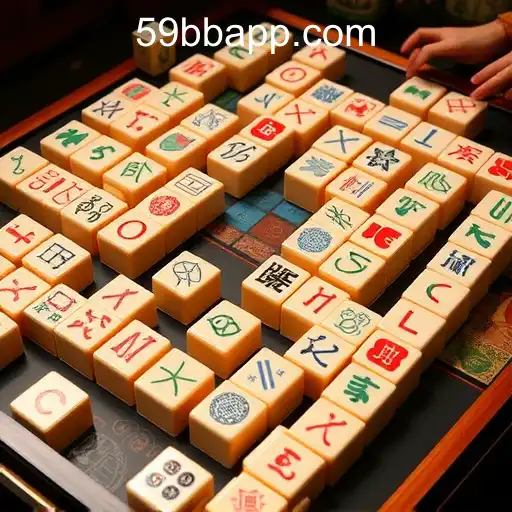
The Intrigue of Mahjong: A Deep Dive
Mahjong is more than just a game; it is a cultural phenomenon with deep historical roots and contemporary relevance. Originating in China during the Qing dynasty, this tile-based game has captivated minds and created communities across the globe. With an increasing number of people showing interest in traditional games, Mahjong stands out due to its rich history, intricate gameplay, and cultural significance.
The Historical Roots of Mahjong
Mahjong's precise origins are a topic of debate amongst historians. Traditionally believed to have been developed around the mid to late 19th century, it was initially popular among the upper class of China before spreading domestically and internationally. The game embodies Chinese aesthetics and culture, with intricately carved tiles that are often considered works of art.
Game Mechanics and Rules
Primarily a four-player game, traditional Mahjong involves 144 tiles based on Chinese characters and symbols. The objective is to build a complete and valid hand by drawing and discarding tiles according to certain rules. The gameplay requires strategy, skill, and even a bit of luck, making each round unique and engaging.Understanding these rules, some of which vary regionally, is crucial for players looking to master the game. For instance, a player must develop a strategy to form specific patterns, known as "melds," which include sets of similar tiles or consecutive sequences within the same suit.
One cannot overlook the importance of learning how to read opponents’ potential hands and adapting strategies accordingly. Mahjong is not solely about luck; it requires an astute awareness of the dynamics at play among all participants.
Cultural Significance and Global Spread
Mahjong is a reflection of its cultural heritage. Its role extends beyond that of a mere pastime; it symbolizes familial bonds and social interactions, often taking center stage during holidays and celebrations in many Chinese households. The game has also left a significant mark on Hong Kong-style cinema and literature, contributing to its exotic appeal in the West.
Over the last century, Mahjong has transcended borders, becoming popular in diverse cultures around the world. In many Western countries, it is celebrated not just as a game, but as an avenue to explore Asian cultural motifs. With its growing presence, learning materials and community groups have sprouted, providing platforms for enthusiasts to share strategies and experiences.
Modern Connectivity and Mahjong
With the advent of digital technology, Mahjong's reach has expanded exponentially. Today, it's possible to play Mahjong online, connecting players globally in real-time. Many websites and applications dedicated to Mahjong allow for multiplayer gaming, tutorials for novices, and even competitive tournaments that attract skilled players.
Significantly, platforms like 59BB Oficial Slots Brasil #1 bring Mahjong and other traditional games into the spotlight alongside modern gaming experiences. These platforms facilitate not just games of chance, but also offer rich, cultural experiences that diversify the gaming landscape.
Community and Competition
Mahjong is also at the heart of vibrant community events, competitions, and tournaments worldwide. Competitive Mahjong presents opportunities for enthusiasts to showcase their skills and learn from others. Many international Mahjong tournaments follow the rules set by organizations such as the World Mahjong Organization, ensuring uniformity and fair competition across the board.
Within these communities, players exchange knowledge and foster friendships, mirroring the collaborative spirit that was integral to Mahjong's original cultural context.
The Art of Strategy and Mastery
To truly appreciate Mahjong, one must delve into the strategies that underpin the game. Mastering Mahjong involves understanding probability and risk management, the art of bluffing, and the ability to anticipate opponents' moves.Observing how each player approaches the game—whether cautiously or aggressively—adds layers of intrigue. Over time, players develop personal styles that reflect their strategic pathways, enhancing the game’s complexity.
As each game unfolds, players must constantly adapt, leveraging keen insights and calculated risks to secure victory. Mahjong matches can be unpredictably dynamic, requiring players to stay vigilant and receptive to the evolving game landscape.
Conclusion
While Mahjong may appear as a simple pastime, its depth is profound. It is a game of strategy, with roots steeped in Chinese culture, offering endless avenues for exploration and mastery. Whether as a casual player or a competitive participant, engaging with Mahjong provides a window into a storied cultural tradition that continues to resonate today.